Forgiveness
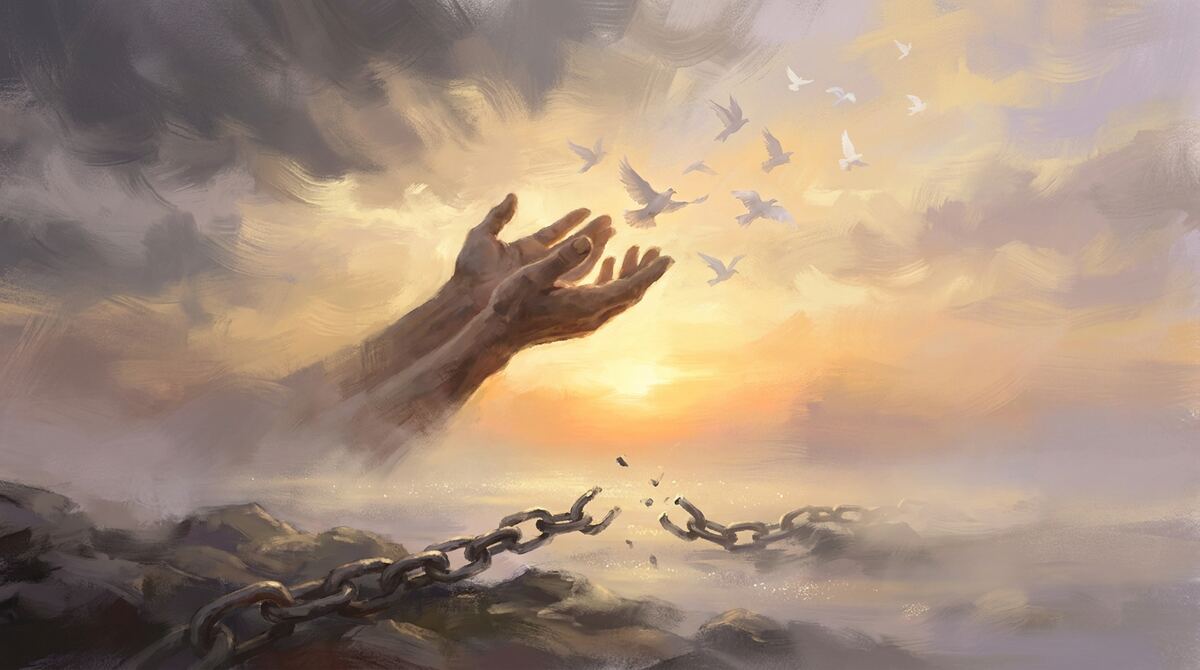
Breaking the Chains: Freedom from Resentment Through Forgiveness
"Hebrews 12:15 / Ephesians 4:31-32"
There is a warning tucked into the book of Hebrews that most people walk past without noticing: "See to it that no one falls short of the grace of God and that no bitter root grows up to cause trouble and defile many." (Hebrews 12:15). A root. Not a storm that passes through, but something that grows quietly underground, unseen, until one day its fruit — anger, coldness, distance, even illness — breaks the surface and everyone around you can see it.
If you are carrying resentment tonight — toward a parent, a spouse, a friend, a church, or even yourself — this teaching is written for you. Let's walk honestly through where it comes from, what it costs you, and how God offers a real way out.
1. The Cause: Where Resentment Comes From
Resentment is rarely random. It is almost always the residue of a real wound — betrayal, rejection, injustice, broken promises, words that cut, love that was withheld when you needed it most. The wound itself is not the sin; pain is a legitimate response to being hurt. Resentment forms when that pain is not brought to God and released, but instead is held, replayed, and protected. We tell ourselves that holding on keeps us safe from being hurt again, or that it is the only way to make the offender "pay." In truth, resentment is pain that has set up permanent residence instead of passing through.
2. The Consequence: What It Quietly Costs You
Scripture calls it a "root" for a reason — it does not stay contained. "Get rid of all bitterness, rage and anger, brawling and slander, along with every form of malice." (Ephesians 4:31). Left unaddressed, resentment does not punish the person who hurt you; it poisons you. It steals your joy in present relationships because you are still fighting a battle from the past. It hardens your heart toward people who had nothing to do with the original wound. It can affect your physical health, your sleep, your prayer life, even your ability to receive love from God, because a clenched fist cannot receive a gift. Jesus was blunt about the danger: "If you do not forgive others their trespasses, neither will your Father forgive your trespasses." (Matthew 6:15) — not because God is unwilling, but because an unforgiving heart cannot fully open itself to receive forgiveness either.
3. The Remedy: What Forgiveness Actually Is
Forgiveness is often misunderstood. It does not mean the offense did not matter, that what happened was okay, or that you must pretend nothing happened. It does not require reconciliation with someone unsafe, and it does not erase consequences or the need for boundaries. Biblical forgiveness is a decision — made before God, sometimes made again and again — to release your right to make the offender pay, and to hand the debt over to God, who alone judges justly. "Bear with each other and forgive one another... Forgive as the Lord forgave you." (Colossians 3:13). Notice the standard: not as much as they deserve it, but as much as Christ has already forgiven you.
4. How God Helps You Do What Feels Impossible
Here is the good news: you are not asked to forgive in your own strength. Jesus, hanging on a cross He did not deserve, looked at the very people driving nails into His hands and prayed, "Father, forgive them, for they do not know what they are doing." (Luke 23:34). That same grace that empowered Him to forgive His executioners lives in you if you belong to Him. God does not simply command forgiveness from a distance — He supplies the power to do it, because He has already forgiven you an incalculable debt (Matthew 18:21-35). When forgiveness feels impossible, you are not meant to manufacture the feeling; you are meant to ask for the grace, one honest prayer at a time.
5. The Way Out: Steps Toward Freedom
Healing from resentment is a process, not a single moment, and that is okay. Begin by naming the wound honestly before God — He is not afraid of your anger or your grief; bring it to Him rather than burying it. Choose, as an act of will, to release the offender into God's hands rather than your own judgment — this may need to be repeated many times, and that repetition is not failure, it is the path. Ask God to bless the person who hurt you, even if you don't feel it yet; the discipline of blessing softens the heart over time (Matthew 5:44). Guard against retelling the story in a way that re-wounds you; instead, tell it to God and to a trusted counsellor who can walk with you toward healing. And remember: forgiving does not mean forgetting or reopening yourself to harm — wisdom and boundaries can coexist with a forgiving heart.
Personal Reflection Questions
1. Whose name comes to mind when you read this teaching? What wound have you been carrying regarding them?
2. In what specific ways has resentment quietly cost you — in your relationships, your peace, your walk with God?
3. What is the difference, for you personally, between forgiving someone and reconciling or trusting them again?
4. What would it look like to hand this person over to God this week, even if the feeling of "letting go" hasn't fully arrived yet?
Closing Prayer
Father, You see the weight I have been carrying — the wound, the anger, the nights I've replayed what was done to me. Thank You that You do not ask me to forgive in my own strength but offer Your grace to do what I cannot do alone. I release [name] into Your hands today. I choose to let go of my right to make them pay, and I trust You as the only just Judge. Break every chain of bitterness in my heart, and fill the space it leaves with Your peace. Where I need to forgive again tomorrow, give me grace again tomorrow. In Jesus' name, Amen.
The chains of resentment were never meant to be yours to carry — hand them to the One who already carried the cross, and walk free.
Need someone to pray with you or talk through this?